Do Frameless Shower Doors Leak? Prevention Tips from Houston Experts
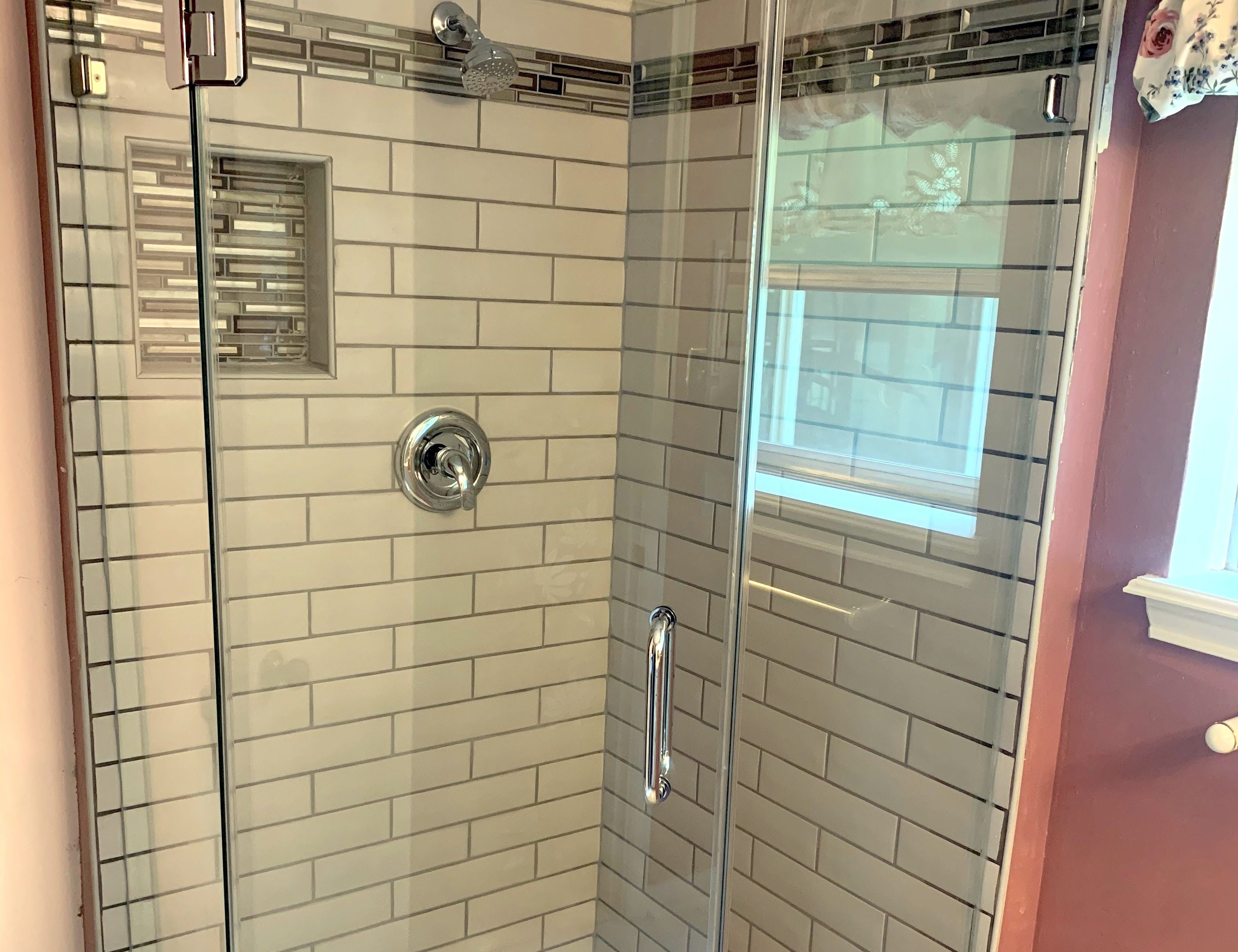
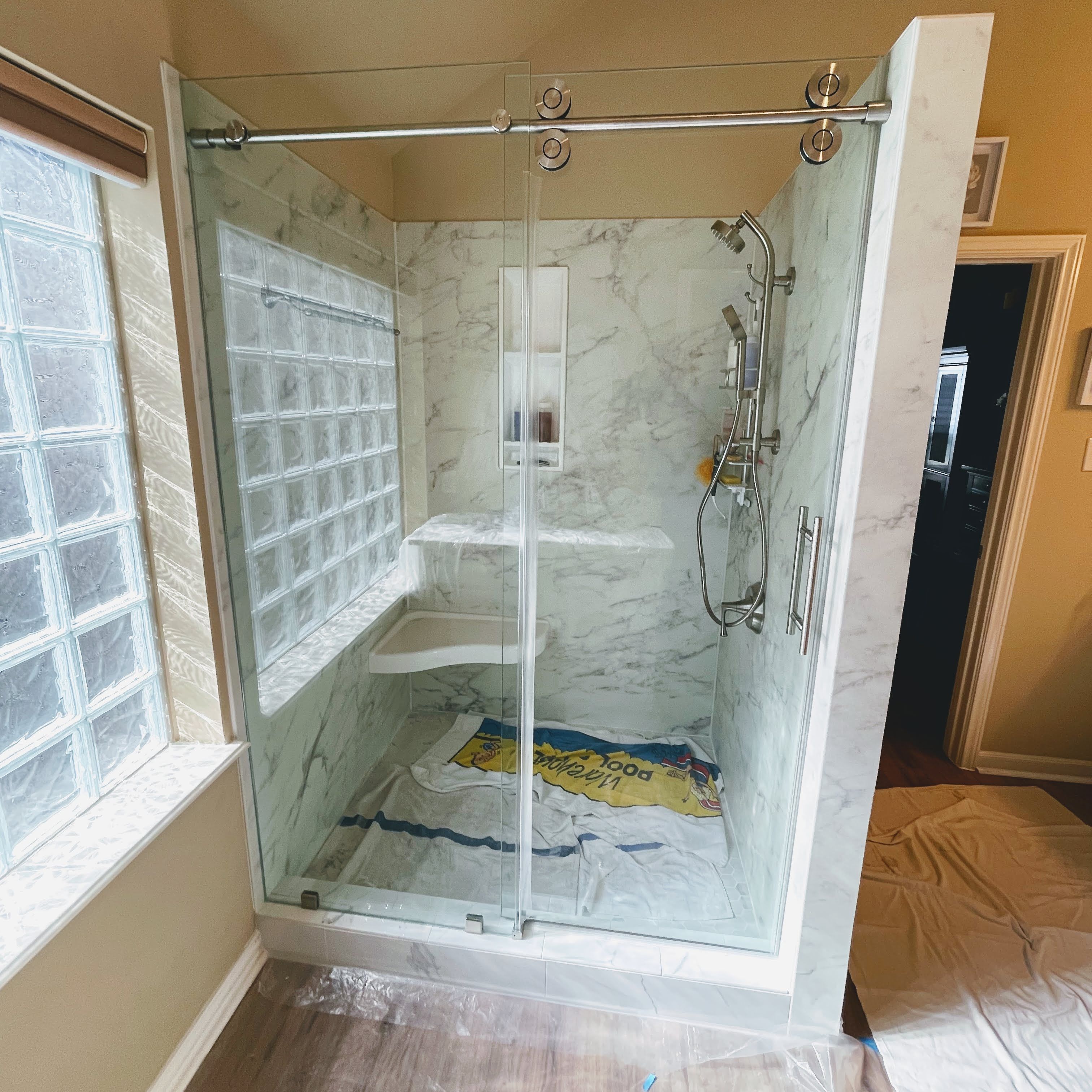
Frameless shower doors have earned an unfair reputation for leaking, but the truth is simpler: properly installed frameless enclosures don't leak. The difference between a watertight shower and a problematic one comes down to professional installation, quality components, and strategic sealing.
Frameless shower doors don't inherently leak when installed correctly. Leaks occur from poor installation practices, inadequate sealing at wall channels, improperly fitted door sweeps, or gaps between glass panels and walls. Professional measurement, proper silicone application, correct hardware selection, and appropriate floor pitch prevent 90% of potential leak issues. Quality installation with lifetime-warranted components eliminates the leak risks associated with frameless enclosures.
Why Frameless Shower Doors Can Leak (And Why Most Don't)
The reputation frameless shower doors have for leaking stems from one source: improper installation. A frameless shower door is engineered to contain water through precise fitting, strategic sealing, and quality hardware—not a continuous rubber gasket like framed doors use.
When installed by experienced professionals, frameless enclosures perform beautifully for decades without leak issues. The glass-to-glass seals, wall channels, and bottom sweeps create overlapping barriers that guide water toward the drain rather than onto your bathroom floor.
Problems arise when installers cut corners on measurement, use incorrect sealing materials, or select hardware that doesn't match the specific shower configuration. In Houston's humid climate with hard water, these shortcuts become visible problems within weeks of installation.
The good news: leak prevention is completely achievable with proper installation techniques and quality components. Understanding where leaks occur helps you verify your installer is doing the job right.
The 4 Most Common Leak Points in Frameless Enclosures
Every frameless shower has predictable vulnerability points where water can escape if installation isn't precise. Knowing these areas helps you inspect your enclosure and catch potential issues early.
- Bottom door sweep: The seal between the door bottom and threshold is the most common leak point. Water pressure from the showerhead pushes against the door, and without a properly fitted sweep, water flows underneath onto the bathroom floor.
- Wall channels: Where glass panels meet walls, the U-channel must be sealed with quality silicone. Gaps here allow water to seep behind the channel and down the wall, potentially causing hidden moisture damage.
- Hinge points: Hinges create small gaps where hardware attaches to glass. While minimal water naturally escapes here during showering, excessive seepage indicates misaligned doors or worn components.
- Panel-to-panel intersections: On enclosures with multiple glass panels, the vertical seals between panels must align perfectly. Misalignment creates gaps that allow water spray to escape sideways.
Professional installers address each vulnerability point during the measurement and installation process. They select appropriate sealing solutions based on your specific shower configuration, water pressure, and showerhead placement.
How Professional Installation Prevents Leaks
The difference between a leak-prone installation and a watertight enclosure starts before any glass is cut. Professional measurement accounts for wall plumb, floor pitch, and structural variations that affect how glass panels sit.
During our free on-site measurements across Greater Houston, we identify potential leak risks—uneven walls, inadequate floor slope, or threshold issues—and design the enclosure to compensate. This upfront planning prevents the gaps and misalignments that cause leaks.
Quality installers also understand glass thickness requirements for different configurations. A 3/8-inch door on a wide opening flexes more than 1/2-inch glass, affecting how well bottom sweeps maintain contact. We match glass specifications to your shower dimensions for optimal performance.
The installation itself requires precision shimming, proper silicone curing time, and hardware adjustment to ensure every seal makes complete contact. Rushing this process—common with inexperienced installers—creates the gaps that lead to leaks.
Bottom Sweeps and Seals: Your First Line of Defense
The bottom door sweep is your primary leak barrier, but not all sweeps perform equally. The correct sweep depends on whether you have a threshold, curb height, floor pitch, and door width.
Vinyl sweeps with angled fins work well for doors over low thresholds, creating a flexible barrier that accommodates minor floor variations. Magnetic seals provide superior performance on completely flat surfaces but require precise door alignment to maintain contact.
For walk-in configurations without thresholds, we use specialized sweeps designed for sloped floors. These longer sweeps maintain contact as the floor pitches toward the drain, preventing water from flowing outward.
Houston's hard water leaves mineral deposits on sweeps that reduce their effectiveness over time. Choosing sweep materials that resist buildup and cleaning them monthly during regular shower maintenance extends their lifespan and maintains leak prevention.
Proper Silicone Application and Wall Channel Sealing
Quality silicone application separates professional installations from amateur work. Wall channels require continuous silicone beads on both the back (against the wall) and inside edges to create a complete moisture barrier.
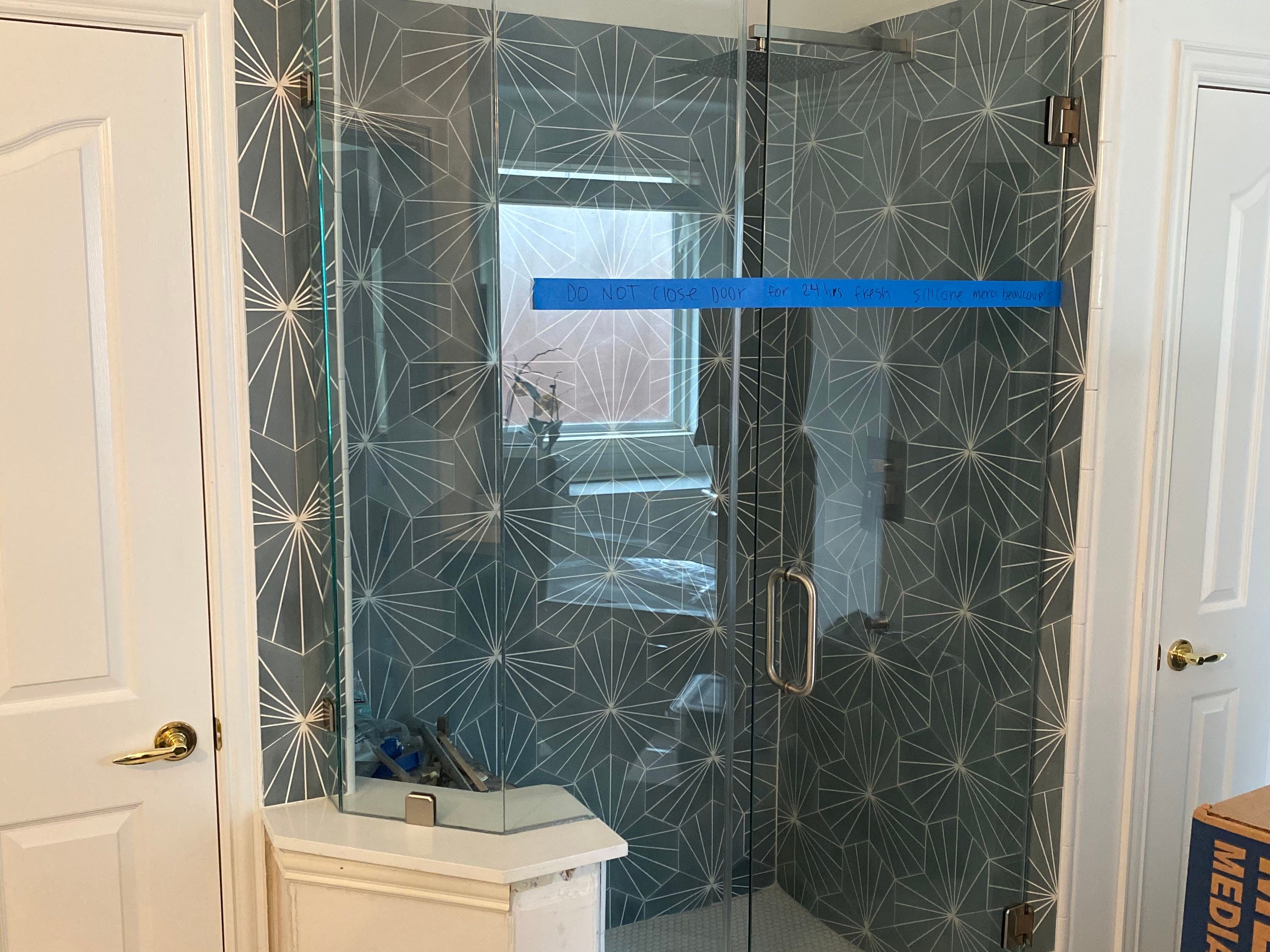
The silicone must cure fully before water exposure—typically 24 hours in Houston's humidity. Installers who rush this step leave channels vulnerable to water infiltration that appears as wall staining or mold growth weeks later.
- ✓Use only 100% silicone rated for continuous water exposure, never latex or acrylic caulk
- ✓Apply silicone to clean, dry surfaces—moisture or soap residue prevents proper adhesion
- ✓Tool the bead smooth to eliminate gaps and ensure contact along the entire channel length
- ✓Allow full cure time before using the shower, even if the silicone appears dry
Proper sealing also means knowing where NOT to apply silicone. Over-sealing can trap water inside channels, creating hidden moisture problems. Professional installers understand drainage paths and seal strategically.
Does Glass Thickness Affect Leak Prevention?
Glass thickness directly impacts how well seals perform over time. Thicker glass (1/2-inch) remains rigid and maintains consistent contact with sweeps and seals, while thinner glass can flex slightly under water pressure.
For standard alcove installations up to 36 inches wide, 3/8-inch tempered safety glass provides excellent performance with proper hardware. Wider doors or floor-to-ceiling panels benefit from 1/2-inch glass that resists deflection.
The thickness also affects hinge performance. Heavier glass requires robust hinges that maintain precise alignment as the door opens and closes thousands of times. Undersized hardware on thick glass leads to sagging that creates gaps.
When we design custom frameless shower doors for Houston homes, we calculate the optimal glass thickness based on door dimensions, configuration, and expected use. This engineering approach prevents both immediate and long-term leak issues.
Maintenance Tips to Keep Your Frameless Door Leak-Free
Even perfectly installed frameless doors require basic maintenance to maintain leak prevention. Monthly attention to seals and sweeps takes five minutes and prevents expensive repairs.
- ✓Squeegee glass and seals after each shower to reduce mineral buildup from Houston's hard water
- ✓Clean bottom sweeps monthly with vinegar solution to remove soap scum and calcium deposits
- ✓Inspect silicone seals quarterly for cracks, gaps, or separation from glass or walls
- ✓Test door alignment by checking that sweeps maintain even contact across the entire bottom edge
- ✓Wipe down hinges and hardware to prevent corrosion that affects door positioning
Replace bottom sweeps every 3-5 years depending on water quality and usage frequency. New sweeps cost $15-30 and install in minutes, making this the most cost-effective leak prevention measure.
If you notice increased water escape or floor dampness, address it immediately. Small seal failures worsen quickly, and early intervention usually requires simple sweep replacement rather than complete reinstallation.
Red Flags: Signs Your Installation May Have Leak Risks
Certain installation practices signal potential leak problems before water damage becomes visible. Knowing these red flags helps you verify your installer's work meets professional standards.
- ✓Installer doesn't measure floor pitch or discuss drainage during the consultation
- ✓Silicone beads appear uneven, have gaps, or show tooling marks with air pockets trapped inside
- ✓Bottom sweep doesn't make consistent contact across the door width when closed
- ✓Door requires force to close properly or doesn't align squarely in the opening
- ✓Wall channels show gaps between the channel back and wall surface
- ✓Installer rushes the job, completing measurement and installation in a single visit
- ✓No discussion of glass thickness options or hardware selection based on your specific shower
Professional installers explain their process, show you seal placement, and demonstrate proper door operation before leaving. They also provide clear warranty coverage for leak issues stemming from installation defects.
Why DIY Installation Often Leads to Leak Problems
Frameless shower door installation requires specialized tools, measurement techniques, and experience that most homeowners don't possess. The precision needed to prevent leaks makes this a poor DIY project despite the apparent simplicity.
The most common DIY mistakes involve measurement errors that create gaps. Walls are rarely perfectly plumb, and floors slope unevenly. Without experience compensating for these variations, DIY installers create enclosures with visible gaps that leak immediately.
Silicone application also separates professionals from amateurs. Achieving continuous, void-free beads that bond properly to both glass and tile requires technique. Poor silicone work fails within months, requiring complete removal and reinstallation.
Hardware selection presents another challenge. Choosing hinges, channels, and sweeps that match your specific configuration isn't intuitive. Big-box stores sell generic kits that rarely fit custom shower dimensions properly, leading to alignment issues and leaks.
The cost savings from DIY installation disappear when you factor in leak damage, replacement materials, and eventual professional reinstallation. Starting with professional installation costs less long-term and eliminates leak headaches.
What to Expect from Professional Frameless Door Installation
Understanding the professional installation process helps you evaluate installers and know what quality work looks like. Reputable companies follow consistent procedures that prioritize leak prevention.
The process begins with a free on-site measurement where we assess your shower structure, discuss your preferences, and identify any modifications needed for optimal performance. We measure multiple points to account for wall and floor variations.
Custom fabrication takes 3-5 days, during which we cut tempered safety glass to exact specifications and prepare all hardware. This isn't rushed—proper glass cutting and edge polishing ensure clean fits that seal properly.
Installation day includes thorough surface preparation, precise hardware placement, quality silicone application, and complete testing. We adjust doors until they operate smoothly and seals make complete contact. The shower remains unused for 24 hours while silicone cures.
Professional companies back their work with warranties covering installation defects, including leaks from improper sealing or hardware failure. Our lifetime warranty on hardware and installation workmanship means leak issues get resolved without additional cost to you.
For homeowners across Houston, Katy, Sugar Land, and surrounding areas, this comprehensive approach ensures your frameless enclosure performs beautifully without leak concerns. Request a free quote to discuss your specific shower and get accurate pricing.
Houston-Specific Considerations for Leak Prevention
Houston's climate and water characteristics create unique challenges for frameless shower door performance. Our hard water contains high mineral content that accelerates seal degradation if you don't choose appropriate materials.
The humidity also affects silicone curing times and long-term adhesion. We account for Houston's moisture levels when scheduling installations and selecting sealant formulations that bond properly in humid conditions.
Many Houston homes have foundation settling that affects wall plumb over time. Professional installation includes shimming and adjustment techniques that accommodate minor structural movement without creating gaps that leak.
Protective glass coatings like DiamondFusion or ShowerGuard don't directly prevent leaks, but they make cleaning easier and reduce the mineral buildup on seals that causes premature failure. For Houston's water, these coatings extend the time between seal replacements.
Investment Protection Through Proper Installation
A frameless shower enclosure represents a significant bathroom investment, with quality installations ranging from $1,200 to $2,500 depending on configuration and glass specifications. Protecting that investment requires professional installation that prevents leaks from day one.
The cost difference between quality professional installation and budget work is minimal—often $200-300—but the performance difference is substantial. Cheap installations fail within months, requiring expensive repairs or complete replacement.
For homeowners concerned about upfront costs, we offer 0% financing through Synchrony and Wisetack, making professional installation accessible without compromising on quality. Monthly payments spread the investment while ensuring leak-free performance.
When you factor in the 15-20 year lifespan of properly installed frameless doors, the small additional investment in professional work costs pennies per day while eliminating leak headaches and potential water damage to flooring and walls.
Ready for a frameless shower door that doesn't leak? Our professional installation process eliminates leak risks through precise measurement, quality components, and expert sealing techniques. Serving Houston and surrounding areas with 4.9-star rated service and lifetime hardware warranties. Get your free quote today—most measurements completed within 24-48 hours, installation within 3-5 days.
Frequently Asked Questions
Found this helpful? Share it.
Ready to upgrade your bathroom?
Get Your Free Same-Day Quote
Get a Free Quote →Or call/text: (832) 756-7064